← Back to Functional & Filler

Functional Masterbatch

Anti-Blocking M/B

Anti-Blocking Masterbatch helps reduce adhesion between plastic film and sheet surfaces, making handling, separation and use easier.

TypeFunctional Masterbatch
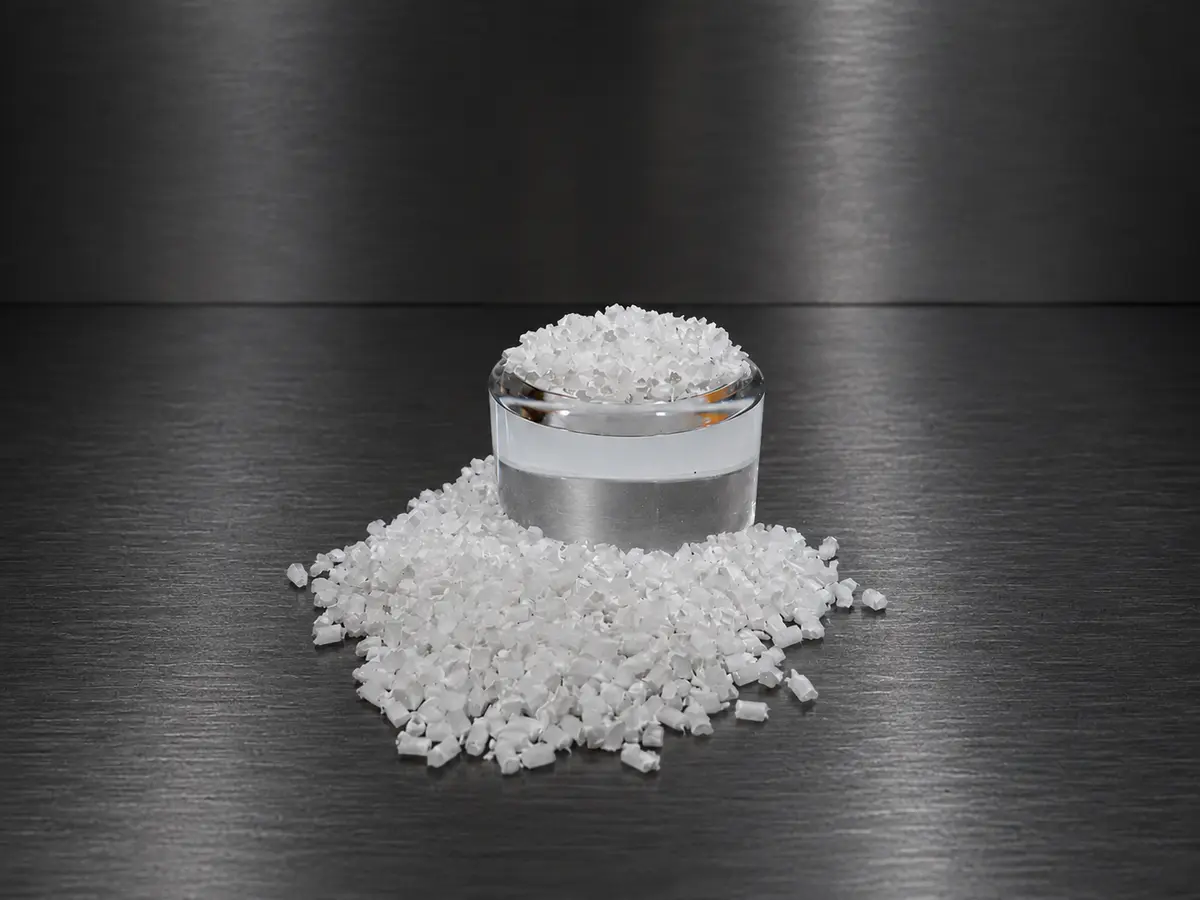
Samjin Masterbatch Anti Block #019 pellets on an industrial silver background

1. What Is Blocking?

Blocking occurs when film surfaces stick together, making the film difficult to open, separate or unwind. It can cause noise during separation, hinder high-speed processing and lead to uneven winding or defects in automatic packaging. The film may also appear to have moisture between its layers, while tubular film can be difficult to open.

2. Causes of Blocking

  • Insufficient product cooling.
  • A higher proportion of low-molecular-weight polymer fractions.
  • Very smooth or glossy product surfaces.
  • Low-density resins that are softer or have tacky properties.

3. Considerations When Selecting Anti-Blocking Masterbatch

Select a grade that suits the required transparency, risk of gel formation (lumps or specks in the film), printing ink adhesion, color changes and changes in properties during storage. Evaluate compatibility with the resin and process conditions used.

4. Recommended Grades by Application

Anti-Blocking M/B grade selection
GradeApplicable ResinDosage (%)FeaturesUses
010-059, 112EVA5–10Excellent DispersionFilms
030LLDPE3–5Excellent TransparencyFlat Films
011LD/LLDPE2–4Excellent OpeningShrinkage Films
015LD/LLDPE2–4Competitive PriceHeavy-duty Films
019MDPE3–8Excellent TransparencyLow Temperature Films
026LD/LLDPE2–4Excellent TransparencyAgricultural Films
022PP2–4Excellent Transparency & DispersionCPP & BOPP Films
027PP2–5Excellent Transparency & OpeningPP Shrinkage Films
046ALD/LLDPE2–3Excellent OpeningAir Cap
105PA2–3Excellent Opening & TransparencyCoextrusion

Trial before mass production

Confirm compatibility with your resin and process.

For a more accurate recommendation, prepare the resin type, production process, thickness, target color or function, use conditions, and estimated monthly requirement.

  1. 1
    Send requirements

    Resin, process, application, target, and sample reference.

  2. 2
    Technical evaluation

    The team identifies the item and initial trial guide.

  3. 3
    Sample testing

    Results are tested under the customer’s actual process conditions.

  4. 4
    Production confirmation

    Formula and requirements are confirmed before repeat orders.

Technical Consultation

Need an Anti-Blocking M/B Recommendation?

Discuss the application, trial dosage, sample requirement, or compatibility with your resin.

WhatsApp Consultation