← Back to Functional & Filler

Filler Masterbatch

Nucleating Agent (Talc Masterbatch)

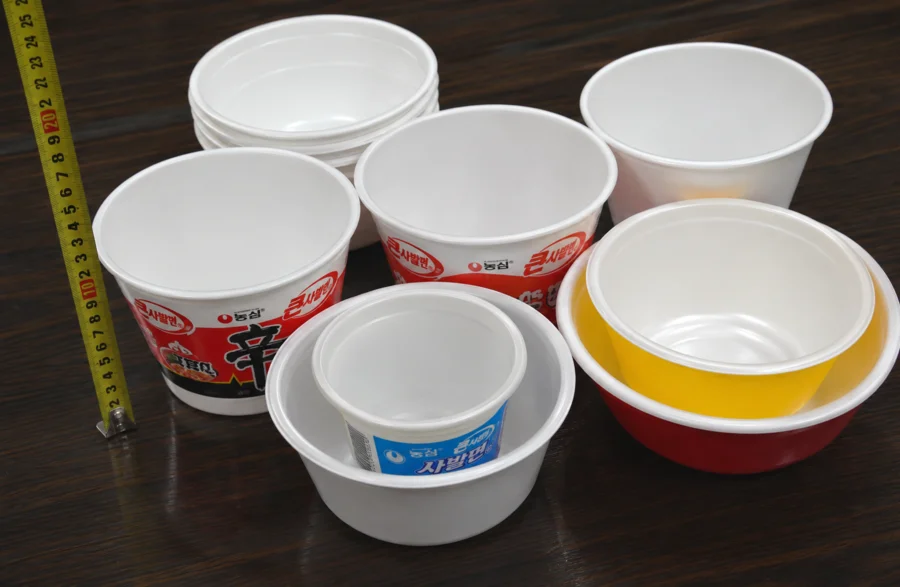
PS and PE foam products are widely used for containers and packaging because they are lightweight, provide good thermal insulation and are easy to process. Nucleating agents help control foam cell size and shape, so selection should suit the application and target product quality.

TypeNucleating Agent
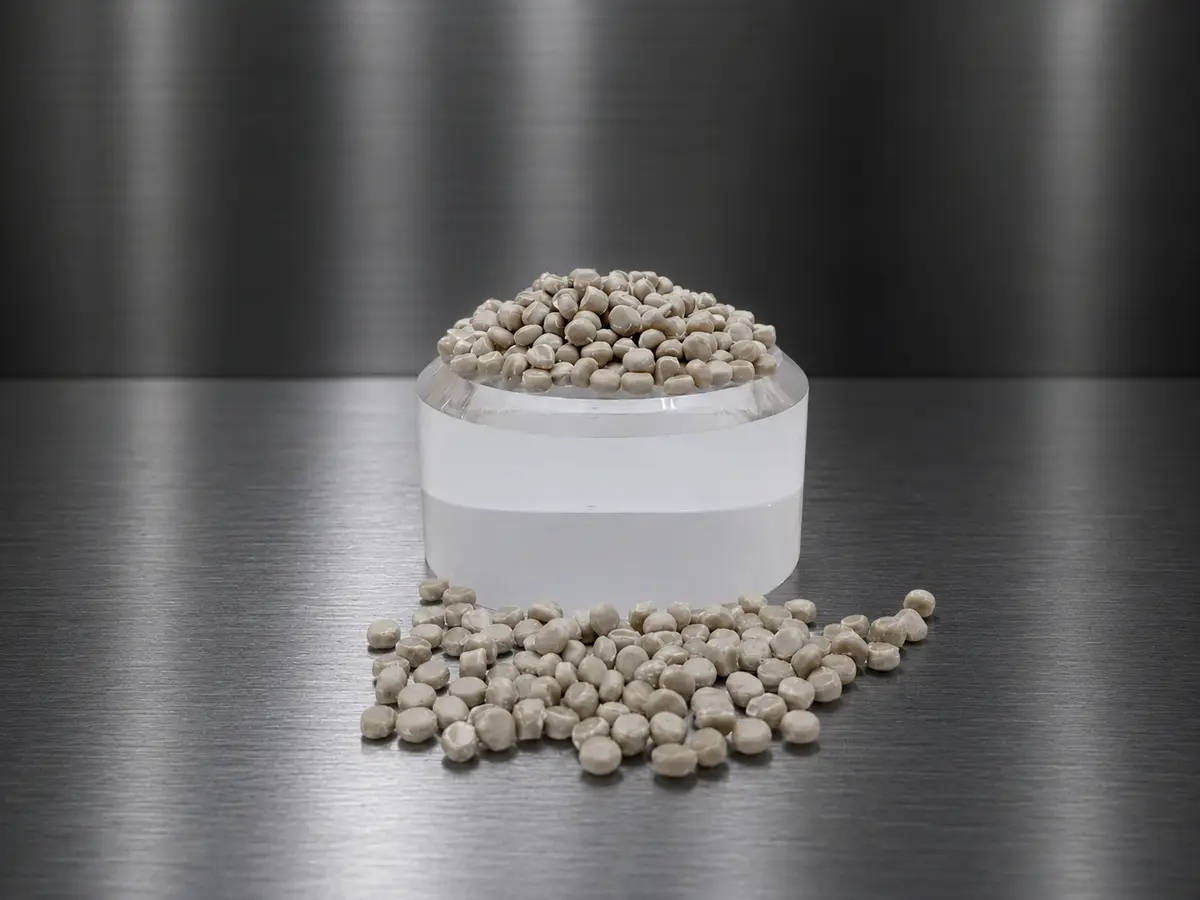
Samjin Masterbatch TALC #1002 pellets on an industrial silver background

1. What Is a Nucleating Agent?

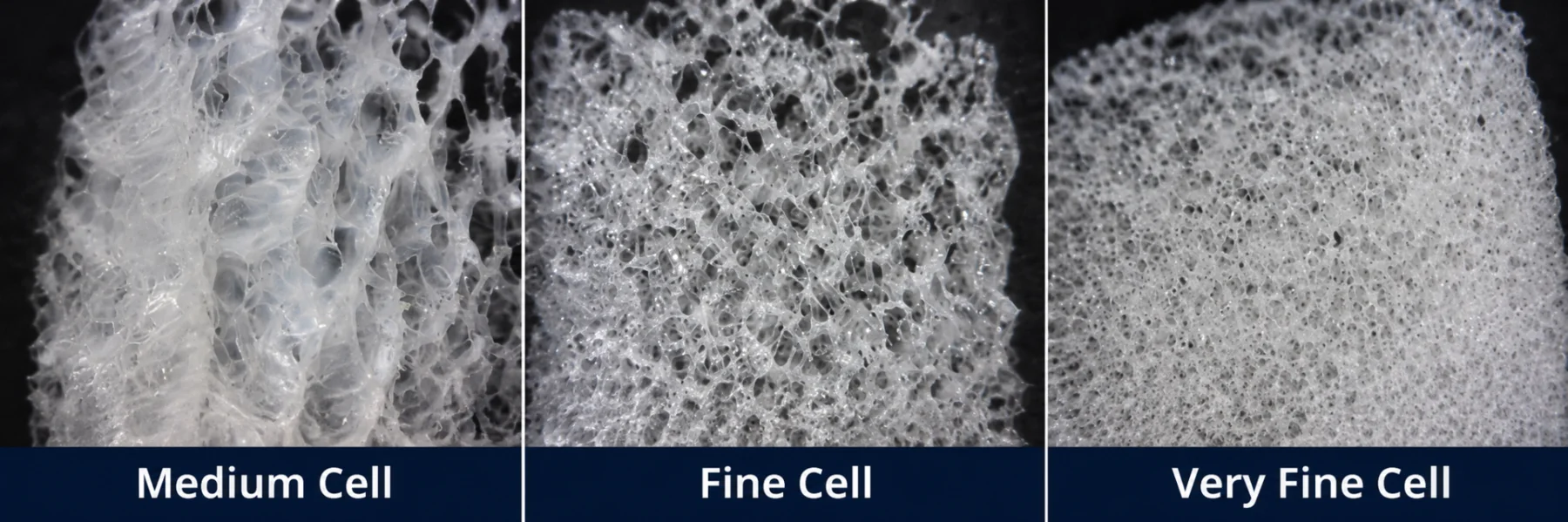
A nucleating agent provides sites for cell formation as molten resin mixes with gas, helping produce a finer cell structure. In high-expansion foaming, the nucleating agent type can affect cell size, elongation, strength, appearance and overall foam product quality.

Because foaming conditions vary, nucleating agent selection should consider particle size, dispersibility, density and the requirements of the process and finished product.
2. Functions and Roles of Nucleating Agents

  • Supports foam product strength.
  • Affects elongation; low elongation can make deep-drawn containers more prone to tearing.
  • Helps control cell size.
  • Influences the foaming ratio.
  • Influences foam aging time.

3. Recommended Grades by Application

Nucleating Agent (Talc Masterbatch) grade selection
ClassGradeCell SizeFeatures & Uses
1472Ultra FineFor premium food containers requiring prevention of pigmentation and special applications. Examples: sushi boxes, noodle bowls and egg trays.
2462-1Very FineFor high-quality thin food containers with good toughness. Examples: sushi boxes, hamburger boxes and egg trays.
3462-JVery FineFor secondary foaming of thick products with fine cells. Example: premium lunch boxes.
4453FineFor general trays and containers. Examples: noodle or meat containers, hamburger boxes and lunch boxes.
5456MediumFor high-strength deep-drawn bowls or cups. Examples: noodle bowls and sign boards.
6477Medium-LargeFor very deep-drawn products with good elongation. Examples: noodle cups and bowls.
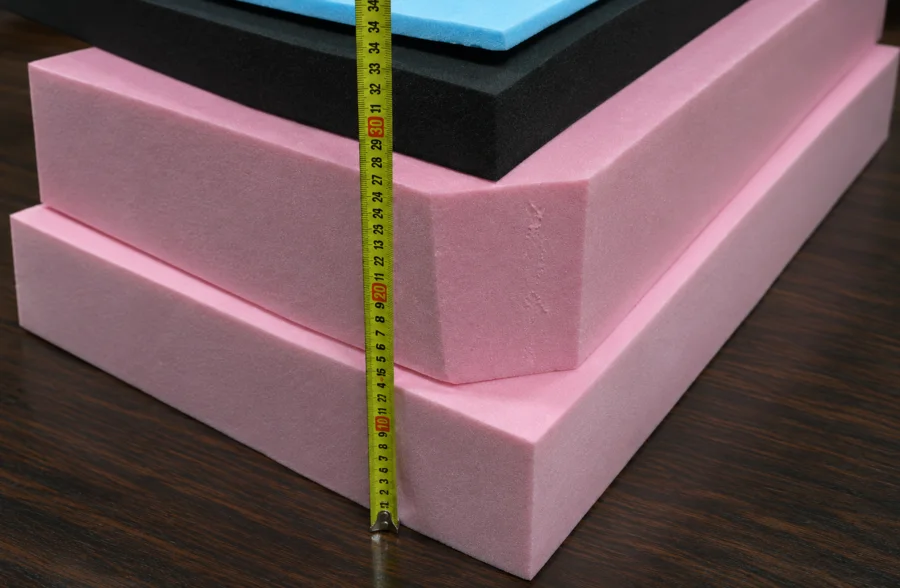
7462-ELargeFor high-strength, high-expansion XPS products. Examples: XPS boards and large dishes.

Cell Structures and Foam Product Examples

Cell size comparison: Medium Cell, Fine Cell and Very Fine Cell.

Trial before mass production

Confirm compatibility with your resin and process.

For a more accurate recommendation, prepare the resin type, production process, thickness, target color or function, use conditions, and estimated monthly requirement.

  1. 1
    Send requirements

    Resin, process, application, target, and sample reference.

  2. 2
    Technical evaluation

    The team identifies the item and initial trial guide.

  3. 3
    Sample testing

    Results are tested under the customer’s actual process conditions.

  4. 4
    Production confirmation

    Formula and requirements are confirmed before repeat orders.

Technical Consultation

Need a Nucleating Agent Recommendation?

Discuss the application, trial dosage, sample requirement, or compatibility with your resin.

WhatsApp Consultation